Skip to content
By Janet H., Owner, Janet Media GroupLast updated How we research

Reviews

Chicco KeyFit 35 review

The seat most often handed to a first-time parent, and the reasons are all about installation rather than anything on the spec sheet.

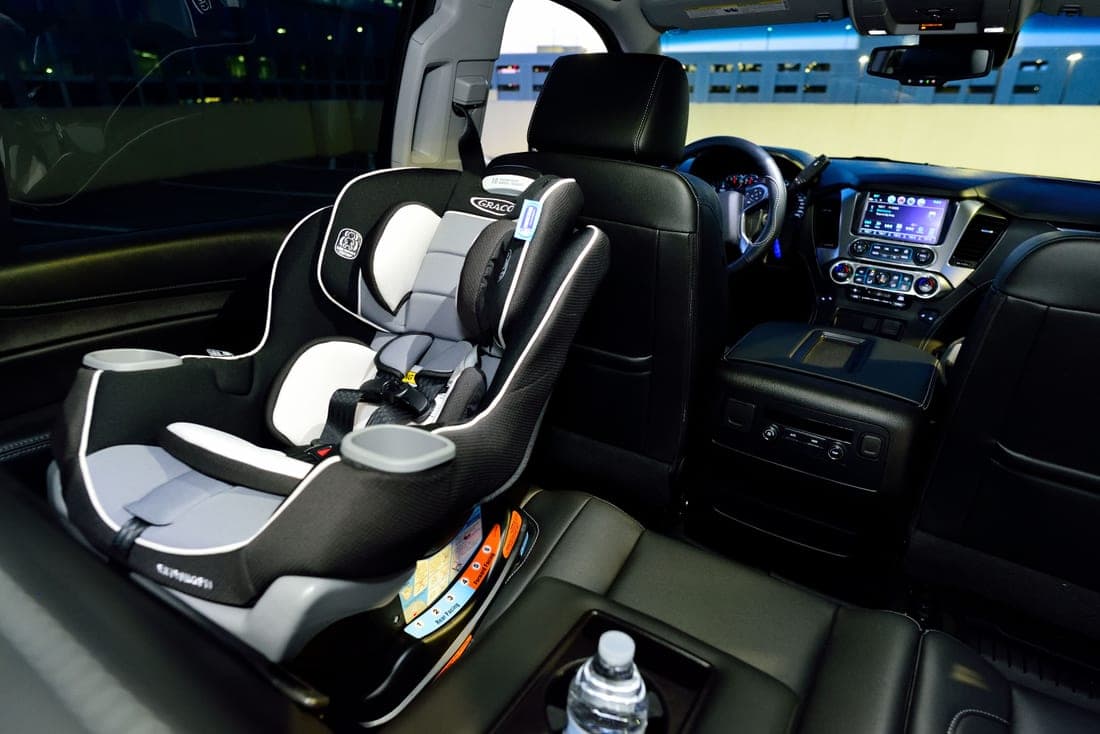
An infant car seat carrier of the type reviewed

Buckle & Buggy earns a commission when you buy through links on this page, at no extra cost to you. It does not change what we recommend or the order we rank things in — the criteria are published on our review methodology page, and the full terms are in our affiliate disclosure.

The short version

The KeyFit line has been the default infant seat recommendation in the United States for years, and the 35 is the version worth buying because the taller shell buys months of extra use over the older KeyFit 30.

What earns it that position is not a specification — it is install feel. The base has a bubble level for the recline angle and a belt-tightening mechanism you crank rather than yank, which means getting under the one-inch movement limit does not take three attempts. Given that loose installation is the single most common real-world misuse, a seat that makes a tight install repeatable is doing the most valuable thing a car seat can do.

It also starts at 4 lb with the newborn positioner, which covers most hospital discharges — a 5 lb minimum does not, and that matters on day one if your baby is small or early.

How we assessed it

We have not crash-tested this product and we do not own one. What we did is read the manufacturer's own specification page and manual, record every figure against the page it came from, check the model against NHTSA's recall database, and confirm it is currently sold — all on the date shown in the table below. Then we assessed it against the five criteria we apply to every product on this site.

For an infant seat the criteria weight install quality heavily, because the base is installed once and then trusted for a year, and because rear-facing recline angle for a newborn is an airway consideration rather than a comfort setting. We also looked specifically at the minimum weight, the shell height relative to the weight limit, and the carrier weight — the three specifications that decide whether an infant seat fits your baby on day one and whether you will resent carrying it.

We do not print a NHTSA star rating or an IIHS category for this model. NHTSA publishes an Ease-of-Use rating and IIHS publishes booster belt-fit ratings, but both block automated access to their databases, so we could not read a figure from the primary source. Reprinting an unverified safety number on a page a parent may rely on is not a risk worth taking, so we link the official lookup tool instead. The full method is on the methodology page.

The full assessment

01 — Most newborns

Chicco KeyFit 35

Chicco

A rear-facing infant car seat carrier — category photo, not this specific modelCategory photo
Our score8.8
Install9.4
Fit range8.6
Vehicle fit8.8
Daily use8.2
Value9.2
Check price on Amazon

#ad We may earn a commission · Amazon shows the current price

The infant seat we would hand a first-time parent: a 4 lb minimum, a bubble level and a belt-tensioning system that makes a correct install hard to get wrong.

The KeyFit line has been the default recommendation in this category for years, and the 35 is the version worth buying because the taller shell buys you months of extra use over the older KeyFit 30. It starts at 4 lb with the newborn positioner, which covers most preemie discharges, and tops out at 35 lb or 32 in — and like every infant seat, height is what your baby will actually hit first. What earns it the top slot is install feel rather than any spec: the base has a bubble level for the recline angle and a belt-tightening mechanism you crank rather than yank, so getting under the one-inch movement limit does not take three attempts. The trade-off is that the carrier is on the heavier side of the category and the canopy is smaller than the premium seats below. If you want the lowest-chemical version, the ClearTex fabrics carry no added flame retardants.

What works

  • Starts at 4 lb, so it fits most newborns straight out of hospital
  • Bubble level plus a cranking belt tightener makes a tight install repeatable
  • Tall shell gets you closer to the 32 in limit than the older KeyFit 30
  • ClearTex versions drop the added flame retardants

What to weigh

  • Carrier is heavier than the premium lightweight seats
  • Canopy is small next to Nuna or UPPAbaby
  • No load leg or anti-rebound bar at this price
Published specifications for the Chicco KeyFit 35, with the source each figure was read from
SpecPublished figureRead from
Rear-facing range4-35 lb, up to 32 inChicco product page
Newborn positionerRequired 4-11 lbChicco product page
HarnessNo-rethread, Easy-Extend headrestChicco product page
Fabric optionClearTex — no added flame retardantsChicco product page

Verified as currently sold and checked against NHTSA's recall record on 2026-09-26; no recall named this model. Recalls apply to specific manufacture-date ranges, so check the date stamp on your own unit. We do not print a star rating for this seat: NHTSA publishes an Ease-of-Use rating, and we would rather send you to the source than reprint a figure we could not read first-hand. Specifications come from the manufacturer or retailer listing.

Who should buy it

  • First-time parents. The install advantage is worth most to someone who has never done this before.
  • Anyone whose baby might be small or early, because of the 4 lb minimum with the positioner.
  • Anyone who wants the most-supported seat in the category — adapter support across stroller brands is broad, and replacement parts are easy to find.
  • Anyone on a budget who still wants good install hardware, which is the combination this seat is known for.

Who should buy something else

  • If carrier weight is a real constraint — back trouble, a C-section recovery, a lot of carrying — the premium seats are meaningfully lighter. See Chicco KeyFit vs Nuna PIPA.
  • If your car fights you on recline angle, a seat with a load leg and more adjustment may be what actually solves it.
  • If you want a load leg or anti-rebound bar, this is not the price point where those appear.
  • If you want to skip the infant stage entirely, a convertible rated from birth saves a purchase — see best convertible car seats.

Frequently asked questions

Is the Chicco KeyFit 35 worth buying?

For most first-time parents, yes. Its strength is install feel — a bubble level for the recline angle and a belt tightener you crank rather than yank — which makes a tight, correctly-angled install repeatable. Since loose installation is the most common real-world misuse, that is the most valuable thing a seat in this price range can offer.

What is the difference between the KeyFit 30 and KeyFit 35?

The 35 has a taller shell and a higher weight limit, which buys months of additional use, because infant seats are almost always outgrown on height rather than weight. If you are choosing between them new, the 35 is the one to buy for that reason alone. The install features that made the line popular are present on both.

How long does the KeyFit 35 last?

Roughly nine to fifteen months for a typical baby, ending on height rather than weight — the usual rule is less than an inch of shell above the top of the head, though the manual governs. That is normal for the category rather than a limitation of this seat. A convertible seat follows, and staying rear-facing in it to its own limit is the next decision.

Does the KeyFit 35 fit a newborn?

Yes, from 4 lb with the newborn positioner, which covers most hospital discharges including many small and early babies. The positioner is required below a stated weight and is not optional when the manual requires it. If your baby was premature, the hospital may want to do a car seat tolerance screening before discharge regardless of the seat.

Is the KeyFit 35 heavy?

The carrier is on the heavier side of the infant seat category, and it is the seat's clearest weakness. You will lift it many times a day with a baby in it, so if carrying is a real constraint — back trouble, a recent C-section, a long walk from the car — the lighter premium seats are worth the money for that reason alone.

Does the KeyFit 35 come without flame retardants?

Chicco publishes ClearTex versions of this seat with no added flame retardants. Check the specific fabric version you are buying, because a single model line often sells both treated and untreated options and the name on the box is what distinguishes them. It does not change crash performance — treat it as a chemistry preference.