
Best infant seat
The best infant car seats for newborns
Seven infant seats ranked on install quality, with minimum weights, shell heights and carrier weights sourced.
Three stages, one decision at a time. Start with the seat that fits the child you have today — then keep them in it until they outgrow it, not until their next birthday.

Buckle & Buggy earns a commission when you buy through links on this page, at no extra cost to you. It does not change what we recommend or the order we rank things in — the criteria are published on our review methodology page, and the full terms are in our affiliate disclosure.
Almost every car seat mistake starts the same way: a parent searches for the best car seat, finds a list of twenty seats spanning newborn to twelve years old, and buys the highest-rated thing on it. The seat arrives and it is wrong — not defective, just wrong for the child. A rear-facing-only infant carrier is an excellent purchase at three weeks old and useless at three years. A combination booster is exactly right at six and illegal for a newborn.
So the first question is never which seat is best. It is which stage your child is in, and the honest answer is that a child passes through three of them:
 Category photo
Birth to roughly 12 months
Move on when your baby reaches the seat's height limit — usually an inch of shell above the head — or its weight limit, whichever comes first.
See the picks →
 Category photo
Roughly 1 to 5 years
Stay rear-facing to the seat's rear-facing limit, then turn forward. Every major authority treats rear-facing as the safer mode for as long as the seat allows it.
See the picks →
 Category photo
Roughly 5 to 12 years
A booster raises the child so the adult belt crosses mid-shoulder and low across the hips. Stay in it until the belt fits correctly without one.
See the picks →
The transition between stages is triggered by outgrowing the current seat, and nothing else. Not a birthday, not a weight round number, not the fact the seat looks small. Every car seat sold in the United States has to publish its own height and weight limits, and those limits — printed on the seat's own label and in its manual — are the only trigger that matters. That is why every page on this site prints the published range for each seat next to the source we read it from.
Manufacturers market far more than three types of seat, because the middle stage has been sliced into several products that all cover overlapping ranges. Here is what the marketing names actually mean, and which of our roundups covers each.
Best infant seat
Seven infant seats ranked on install quality, with minimum weights, shell heights and carrier weights sourced.

Best convertible
Six convertibles ranked by rear-facing limit and install quality, with published height and weight ranges.

Best booster
Five boosters ranked on belt fit, with the five-step test that decides whether one is needed at all.
Best all-in-one
Five all-in-ones that cover birth to booster, and an honest look at which stage pays for the convenience.
Best for small cars
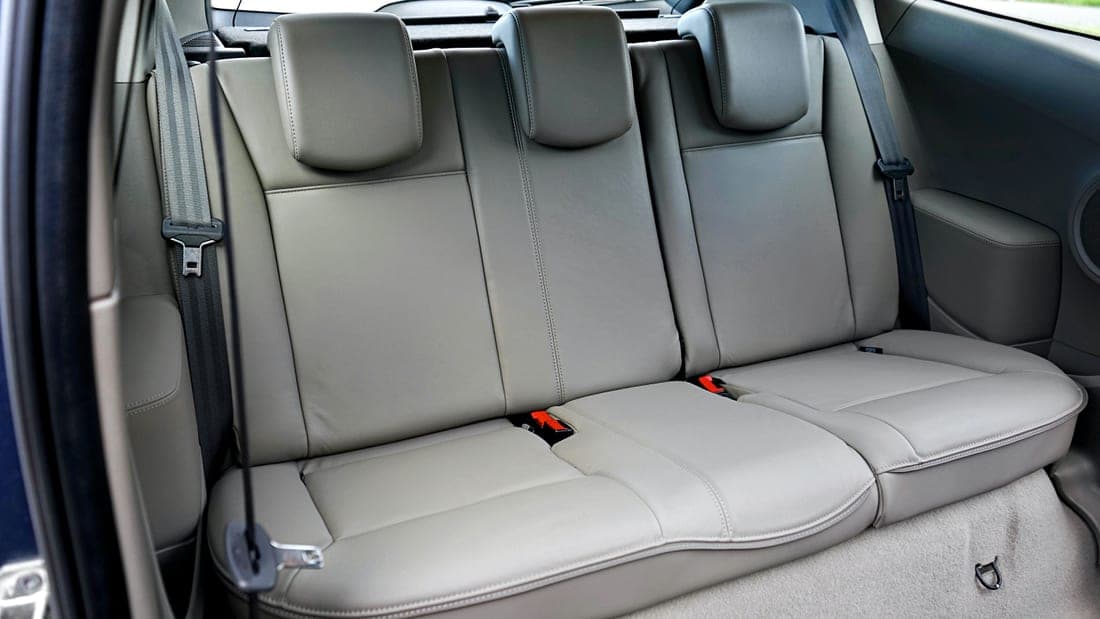
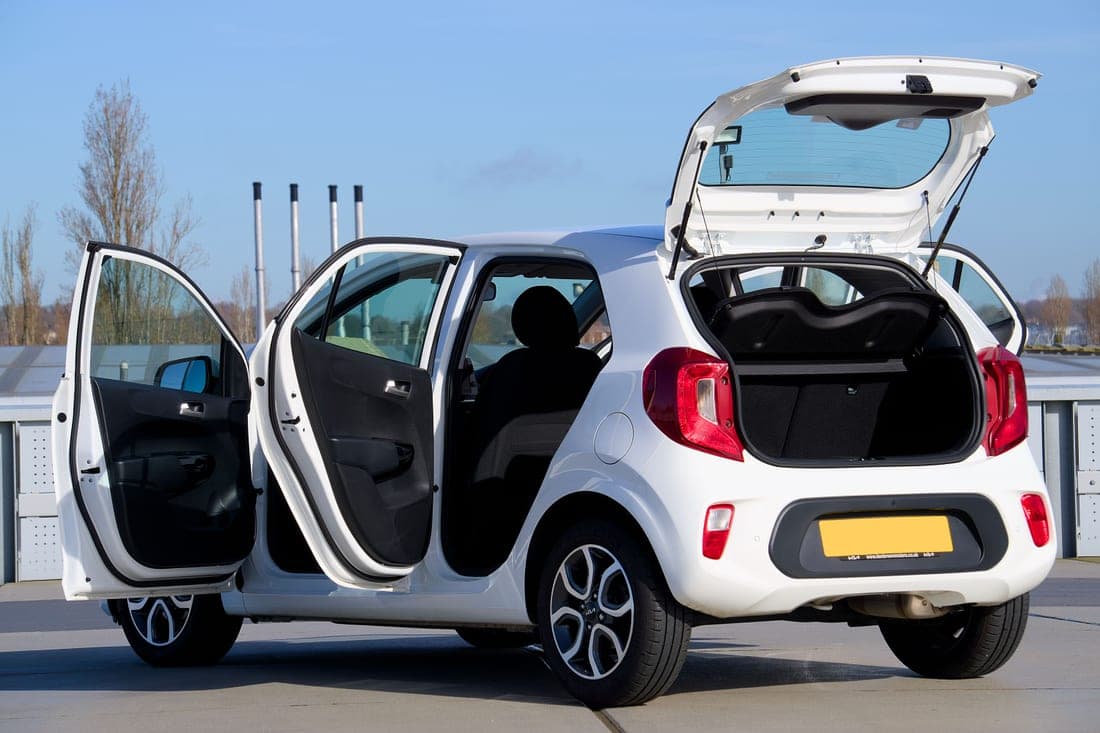
Narrow and shallow seats for compacts and three-across benches, plus how to measure your car before buying.

Best rotating seat
Three swivel seats assessed honestly: a real ergonomic win, with depth and weight as the price.
Car seat prices in the US run from roughly the price of a decent stroller accessory to more than a thousand dollars for a full infant-seat-plus-base setup from a premium brand. Because every seat meets the same federal crash standard, it is fair to ask what the extra money buys. Four things, in rough order of how much they matter day to day:
What the extra money does not buy is a better crash-test result you can look up. NHTSA publishes an Ease-of-Use rating (which is about usability, not crash performance) and IIHS rates boosters on how well they route an adult seat belt. Neither publishes a consumer crash score per seat model. We explain what each rating actually measures in car seat safety ratings explained — it is the single most misread thing in this category.
A correctly-chosen seat that moves three inches at the belt path is worse than a cheaper seat installed tight. Rear-facing recline angle, belt path choice, one inch of movement at the belt path, harness at or below the shoulders when rear-facing and at or above when forward-facing, chest clip at armpit level, and no bulky coat between the child and the harness — that is the whole checklist, and it takes ten minutes.
We wrote two pages for this: how to install a car seat walks it through with the reasoning, and the printable installation checklist is meant to be printed and taken to the car. If you want hands-on help, a certified Child Passenger Safety Technician will check your install for free at inspection stations across the country — we are not a substitute for that, and we say so on every page.
You can legally and safely start with a convertible that is rated from birth, and it saves a purchase. The trade-off is practical rather than safety-related: an infant carrier detaches and clicks into a stroller base, so a sleeping newborn moves without being woken, and it is far easier to buckle a floppy newborn on a bench than bent over a fixed shell. Parents who do a lot of driving-then-walking usually find the infant seat worth it; parents who mostly drive door to door often skip it.
Check the seat's own label and manual for its height and weight limits, then check the child against them. Height is usually the limit you hit first. For rear-facing infant seats the common rule is that the child has outgrown the shell when there is less than one inch of shell above the top of the head. For forward-facing harnessed seats, the child is done when their shoulders are above the top harness slot or they exceed the weight limit. Because the exact rule varies by seat, the manual wins over any general rule you read online, including ours.
Not in the sense most people mean. Every car seat legally sold in the United States has to meet the same federal crash standard, FMVSS 213, so a budget seat is not a seat that failed a test. What money buys is easier and more repeatable installation, a longer fit range, sometimes different fabric chemistry, and better day-to-day ergonomics. Since installation error is the most common real-world failure, install hardware is the upgrade we would pay for first.
NHTSA's guidance is that a seat should be replaced after a moderate or severe crash, and that it may be reused after a minor crash only if every one of several conditions is met — the vehicle was driveable, the door nearest the seat was undamaged, nobody was injured, the airbags did not deploy and there is no visible damage to the seat. Many manufacturers are stricter than that and require replacement after any crash. Check your seat's manual, because the manufacturer's rule is the one that governs your seat.
Yes, and the date is stamped on the seat itself. Manufacturers set a useful-life window, commonly six to ten years from manufacture, based on plastic degradation, the availability of replacement parts and the fact that safety standards change. We cover how to find the date stamp and what the expiry actually protects against in do car seats expire.
All 6 pages in this section, newest research first.
Best infant seat
Seven infant seats ranked on install quality, with minimum weights, shell heights and carrier weights sourced.
Best convertible
Six convertibles ranked by rear-facing limit and install quality, with published height and weight ranges.
Best booster
Five boosters ranked on belt fit, with the five-step test that decides whether one is needed at all.
Best all-in-one
Five all-in-ones that cover birth to booster, and an honest look at which stage pays for the convenience.
Best for small cars
Narrow and shallow seats for compacts and three-across benches, plus how to measure your car before buying.
Best rotating seat
Three swivel seats assessed honestly: a real ergonomic win, with depth and weight as the price.
By type
Strollers
Full-size, double, jogging, lightweight and umbrella strollers, with fold size and newborn-readiness spelled out.
Car seat + stroller
Travel Systems
Car seat and stroller combos that click together with no adapter, including lightweight systems and twin setups.
Installation, ratings & law
Safety
Installation, safety ratings, expiry dates, stage transitions, winter coats, secondhand seats and state laws.
Flying & road trips
Travel
FAA rules, gate-checking, rental car seats, road trip planning, and the lightest travel car seats and boosters.
Curated, not everything
Accessories
Mirrors, organizers and seat protectors that earn their place — and the add-ons that compromise a harness.
Head to head
Compare
Direct matchups between the brands and models buyers shortlist against each other, with sourced specifications.
Single models
Reviews
Model-by-model assessments of the seats and strollers people search for by name, with sourced specs.
For the gifter
Gifts
Baby shower and new-parent gifts in this category, including what not to buy for someone else.
Safety
How to install a car seat correctly
The full nine-step installation walkthrough, the one-inch test, and the five errors that cause most misuse.
Safety
When to switch car seat stages
All three transitions and the real trigger for each — outgrowing the seat, never reaching a birthday.
Safety
Car seat safety ratings, explained
FMVSS 213, NHTSA stars and IIHS booster ratings compared — and why no US agency publishes a crash score.
Compare
Graco vs Chicco car seats
Chicco for install feel, Graco for fit range and value — four seats compared on sourced specifications.
Reviews
Graco 4Ever DLX review
Four modes in one shell: the two conditions the one-seat promise depends on, both checkable before you buy.
Travel Systems
The best travel systems
Three travel systems assessed on both halves, with the expandability and fold checks that decide longevity.