Skip to content
By Janet H., Owner, Janet Media GroupPublished How we research

Car Seats

How to choose a car seat

Four steps, in order. Three of them are about your car and your child, and only the last one is about the seat.

Car seats displayed on a shop shelf

Buckle & Buggy earns a commission when you buy through links on this page, at no extra cost to you. It does not change what we recommend or the order we rank things in — the criteria are published on our review methodology page, and the full terms are in our affiliate disclosure.

The short answer

Choose a car seat by working through four things in this order: the stage your child is in, whether the seat fits your vehicle, how easy the seat is to install tightly, and the published limits that decide how long you will keep it. The best car seat is not a model; it is the one that fits your child, fits your car, and that you can install correctly every time — and the last of those three is where most of the real-world safety difference lives.

That is not a hedge. Every child restraint legally sold in the United States has passed Federal Motor Vehicle Safety Standard 213, and newer seats also meet FMVSS 213a's side-impact requirement, so there are no failing seats on the shelf. What varies between seats is how likely you are to use them correctly — and a mid-price seat installed tightly protects a child better than a premium seat installed loose.

Step 1: which stage are you shopping for?

There are four kinds of seat, and the only way to buy the wrong kind is to shop by price instead of by stage.

The four stages and what each is for
StageTypical published rangeWhat it is forWhere to start
Infant carrierAround 4-35 lb, to about 32 inNewborn to about a year. Detaches from a base, clicks onto strollersBest infant car seats
ConvertibleRear-faces to 40-50 lb, forward to 65 lbThe years that matter most. Rear-faces, then forward-faces with a harnessBest convertible car seats
All-in-one4 lb to a 100-120 lb boosterOne seat for a decade, at the cost of being best at nothingBest all-in-one car seats
BoosterCommonly 40-100 lb, 43-57 in, age 4+Positions the adult belt correctly until it fits unaidedBest booster seats

Two stage decisions trip people up. An infant carrier is not required — a convertible seat with a low enough minimum weight can be used from birth, and it saves a purchase, at the cost of the click-in-and-out convenience that makes the first six months easier. And an all-in-one is a reasonable buy but not a magic one: it is bulky in the rear-facing years and a heavier booster later than a dedicated booster would be.

Step 2: does it fit your vehicle?

This is the step most people skip and the one that causes most returns. Car seats are sized for cars in general, and your car in particular may not cooperate.

  1. 1.Measure the width of your back seat, and the width of the seating position you intend to use. Then compare it against the seat's published width — a Graco SlimFit3 LX is 16.7 in, a Graco 4Ever DLX is 19.3 in, and in a compact car that difference decides whether two seats fit side by side.
  2. 2.Check front-to-back space when rear-facing. A rear-facing seat at a safe recline angle can force the front seat forward further than a tall driver can accept. Try it before you commit.
  3. 3.Find your vehicle's LATCH positions and limits. LATCH weight limits are set by the seat and the vehicle — the Britax One4Life publishes 30 lb rear-facing and 35 lb forward-facing, after which you install with the seat belt instead.
  4. 4.Check whether your center seat has LATCH. Many cars do not provide it in the middle, which matters because the middle is the most protected position where it is available. See where to install a car seat.

If you are fitting three seats across, or driving something small, this step dominates every other consideration — start at best car seats for small cars.

Step 3: can you install it tightly, every time?

Installation quality is the variable that dominates real-world outcomes, and the hardware that helps is identifiable from a specification sheet. Look for a force-multiplying tightener — Chicco's SuperCinch, for example — or a belt-path system like Britax's ClickTight, which routes the vehicle belt through a hinged compartment so a tight install needs no body weight or wrestling.

  • A no-rethread harness lets you raise the harness height without uninstalling the seat, which means it actually gets adjusted as the child grows.
  • A clear recline indicator removes the guesswork from the angle, which is where rear-facing installs go wrong.
  • An install you can confirm. The test is one inch: with the seat installed, it should not move more than an inch side to side or front to back at the belt path.
  • NHTSA's ease-of-use ratings rate exactly this. They are not crash scores — they rate how hard the seat is to use correctly, which is the thing you are actually choosing between.

Then get it checked. A certified child passenger safety technician will inspect your install free in most areas, and it takes fifteen minutes. The step-by-step is in how to install a car seat, and the printable version is the installation checklist.

Step 4: read the limits, then buy

The published limits are what decide how many years you get, and the one to weight most heavily is rear-facing capacity. A seat rear-facing to 50 lb keeps a typical child rear-facing past their third or fourth birthday; one that stops at 40 lb does not. Read the inches as well as the pounds, because height is often reached first.

Two more numbers deserve a look before you pay. The expiry date — most seats are rated for six to ten years from manufacture, and the date is molded into the shell; see do car seats expire. And the recall record: check the exact model against NHTSA's database, which takes a minute and is the single most useful thing you can do with the model number. Our guide to how to check a car seat recall shows where both of those numbers live on the seat. And if the budget is the binding constraint rather than the stage, best budget car seats covers the cheapest workable option at each one.

01 — Most newborns

Chicco KeyFit 35

Chicco

No image
Our score8.8
Install9.4
Fit range8.6
Vehicle fit8.8
Daily use8.2
Value9.2
Check price on Amazon

#ad We may earn a commission · Amazon shows the current price

The infant seat we would hand a first-time parent: a 4 lb minimum, a bubble level and a belt-tensioning system that makes a correct install hard to get wrong.

The KeyFit line has been the default recommendation in this category for years, and the 35 is the version worth buying because the taller shell buys you months of extra use over the older KeyFit 30. It starts at 4 lb with the newborn positioner, which covers most preemie discharges, and tops out at 35 lb or 32 in — and like every infant seat, height is what your baby will actually hit first. What earns it the top slot is install feel rather than any spec: the base has a bubble level for the recline angle and a belt-tightening mechanism you crank rather than yank, so getting under the one-inch movement limit does not take three attempts. The trade-off is that the carrier is on the heavier side of the category and the canopy is smaller than the premium seats below. If you want the lowest-chemical version, the ClearTex fabrics carry no added flame retardants.

What works

  • Starts at 4 lb, so it fits most newborns straight out of hospital
  • Bubble level plus a cranking belt tightener makes a tight install repeatable
  • Tall shell gets you closer to the 32 in limit than the older KeyFit 30
  • ClearTex versions drop the added flame retardants

What to weigh

  • Carrier is heavier than the premium lightweight seats
  • Canopy is small next to Nuna or UPPAbaby
  • No load leg or anti-rebound bar at this price
Published specifications for the Chicco KeyFit 35, with the source each figure was read from
SpecPublished figureRead from
Rear-facing range4-35 lb, up to 32 inChicco product page
Newborn positionerRequired 4-11 lbChicco product page
HarnessNo-rethread, Easy-Extend headrestChicco product page
Fabric optionClearTex — no added flame retardantsChicco product page

Verified as currently sold and checked against NHTSA's recall record on 2026-09-26; no recall named this model. Recalls apply to specific manufacture-date ranges, so check the date stamp on your own unit. We do not print a star rating for this seat: NHTSA publishes an Ease-of-Use rating, and we would rather send you to the source than reprint a figure we could not read first-hand. Specifications come from the manufacturer or retailer listing.
02 — Extended rear-facing

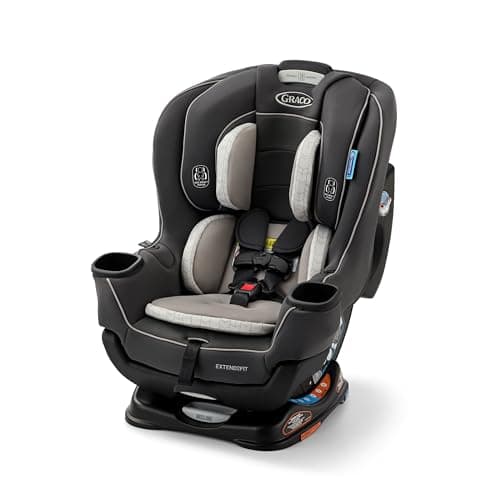
Graco Extend2Fit

Graco

Graco Extend2Fit
Our score8.9
Install8.6
Fit range9.6
Vehicle fit7.6
Daily use8.4
Value9.4
$239.99 · View on Amazon

#ad We may earn a commission · Price as of October 19, 2026

Rear-faces to 50 lb and adds up to 5 in of legroom with an extension panel, which is the cheapest route to the thing the AAP actually asks for.

The AAP's guidance is to keep a child rear-facing until they reach the highest weight or height their seat allows, and the practical obstacle is rarely the weight limit — it is a toddler's legs hitting the vehicle seat back, which makes parents turn the seat around early. The Extend2Fit attacks that directly: a 4-position panel extends the seat forward for up to 5 in of extra legroom, on top of a 4-50 lb rear-facing range. It is the least expensive way to buy real extended rear-facing. Forward-facing runs 26.5-65 lb, and there are six recline positions and ten headrest positions, so it adapts to awkward vehicle seats. The costs are bulk and basics: extending the panel eats front-to-back space, which can push the front passenger seat forward in a small car, and the fabrics and cup holders are plain. For most families this is the right convertible seat.

What works

  • 50 lb rear-facing limit plus an extension panel for legroom
  • Cheapest genuine extended-rear-facing seat here
  • Ten headrest positions cover a long growth span without rethreading

What to weigh

  • Extending the panel takes front-to-back space you may not have
  • Plain fabrics and hardware
  • No booster mode — this is a two-stage seat
Published specifications for the Graco Extend2Fit, with the source each figure was read from
SpecPublished figureRead from
Rear-facing4-50 lbGraco product page
Forward-facing26.5-65 lbGraco product page
Extension panel4 positions, up to 5 in extra legroomGraco product page
Adjustment6 recline positions, 10 headrest positionsGraco product page

Verified as currently sold and checked against NHTSA's recall record on 2026-09-26; no recall named this model. Recalls apply to specific manufacture-date ranges, so check the date stamp on your own unit. We do not print a star rating for this seat: NHTSA publishes an Ease-of-Use rating, and we would rather send you to the source than reprint a figure we could not read first-hand. Specifications come from the manufacturer or retailer listing.
03 — One seat, ten years

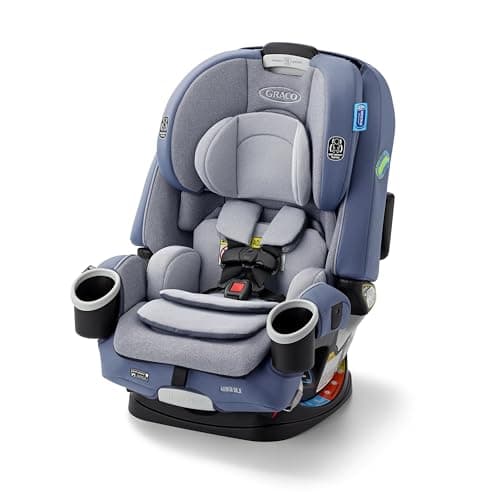
Graco 4Ever DLX 4-in-1

Graco

Graco 4Ever DLX 4-in-1
Our score8.8
Install8.4
Fit range9.4
Vehicle fit6.8
Daily use8.6
Value9.6
$319.99 · View on Amazon

#ad We may earn a commission · Price as of October 19, 2026

Four stages and ten years of use from 4 lb to 120 lb, at a price that makes buying three separate seats hard to justify.

The 4Ever DLX is the seat most families should buy if they want to buy once. It runs rear-facing 4-40 lb, forward-facing 26.5-65 lb, highback booster 40-100 lb and backless booster 40-120 lb, and Graco rates it for ten years of use. The arithmetic is the argument: that single purchase replaces an infant seat, a convertible and a booster. Two caveats deserve more prominence than the marketing gives them. First, the LATCH weight limits are 40 lb rear-facing and 45 lb forward-facing, so past those you must switch to a seat belt install plus the top tether — which is normal, but a step people miss. Second, it is 19.3 in wide, which rules it out for three across and makes it tight in a compact car. Its 40 lb rear-facing ceiling is also lower than the Extend2Fit's 50 lb, so if extended rear-facing is your priority, that is the better buy.

What works

  • Four stages from 4 lb to 120 lb — one purchase instead of three
  • Ten-year rated lifespan
  • Widely available, so replacement parts and covers are easy to source

What to weigh

  • 19.3 in wide — not a three-across or small-car seat
  • 40 lb rear-facing ceiling is lower than dedicated extended-rear-facing seats
  • LATCH limits at 40/45 lb mean an install change most owners are not told about
Published specifications for the Graco 4Ever DLX 4-in-1, with the source each figure was read from
SpecPublished figureRead from
Rear-facing4-40 lbGraco product page
Forward-facing26.5-65 lbGraco product page
Highback booster40-100 lbGraco product page
Backless booster40-120 lbGraco product page
LATCH limits40 lb rear-facing, 45 lb forward-facingGraco product page
Width and weight19.3 in wide, 21.4 lbGraco product page
Rated lifespan10 yearsGraco product page

Verified as currently sold and checked against NHTSA's recall record on 2026-09-26; no recall named this model. Recalls apply to specific manufacture-date ranges, so check the date stamp on your own unit. We do not print a star rating for this seat: NHTSA publishes an Ease-of-Use rating, and we would rather send you to the source than reprint a figure we could not read first-hand. Specifications come from the manufacturer or retailer listing.

04 — Most families

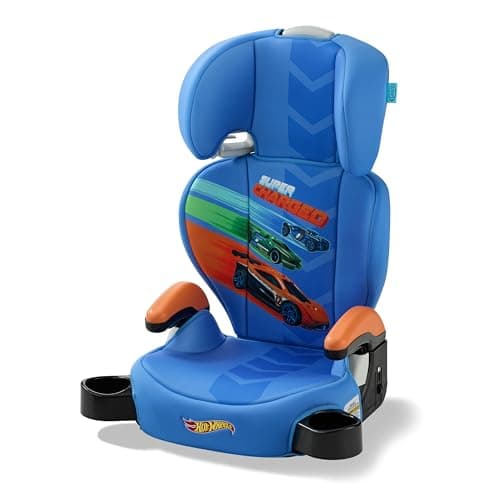
Graco TurboBooster 2.0

Graco

Graco TurboBooster 2.0
Our score9.0
Belt fit9.2
Install8.8
Fit range8.4
Daily use9.0
Value9.8
$79.99 · View on Amazon

#ad We may earn a commission · Price as of October 19, 2026

The default booster: highback to start, backless later, open belt guides that position the belt where it needs to be, and a price that makes a second one for the other car easy.

A booster has one job — hold the vehicle's lap and shoulder belt in the right place on a body too small for it. Judged on that, the TurboBooster 2.0 is hard to beat for the money. It covers 40-100 lb and 43-57 in from age four, converts from highback to backless as the child grows, and the open-loop belt guides make it easy to see at a glance whether the shoulder belt is sitting across the middle of the shoulder rather than on the neck. The highback mode weighs 9 lb and the backless 5 lb, so it moves between cars and into a grandparent's easily. It expires ten years from manufacture. What it lacks is side-impact structure relative to the Britax and Chicco, and the padding is thin on long drives. Do not skip the highback stage just because backless is easier: the highback provides the head support and belt routing a younger child still needs.

What works

  • Open belt guides make correct belt position obvious
  • Cheap enough to buy a second for the other car
  • Light in both modes, so it travels well

What to weigh

  • Less side-impact structure than the premium boosters
  • Thin padding on long journeys
  • Tops out at 100 lb, below the 120 lb boosters
Published specifications for the Graco TurboBooster 2.0, with the source each figure was read from
SpecPublished figureRead from
Range40-100 lb, 43-57 in, age 4+Graco product page
ModesHighback converts to backlessGraco product page
Weight9 lb highback, 5 lb backlessGraco product page
Expiry10 years from manufactureGraco product page

Verified as currently sold and checked against NHTSA's recall record on 2026-09-26; no recall named this model. Recalls apply to specific manufacture-date ranges, so check the date stamp on your own unit. We do not print a star rating for this seat: NHTSA publishes an Ease-of-Use rating and IIHS publishes booster belt-fit ratings, and we would rather send you to the source than reprint a figure we could not read first-hand. Specifications come from the manufacturer or retailer listing.

What not to choose on

  • Price as a proxy for safety. There is no safety tier you unlock by spending more. Every seat on the shelf meets the same federal standard.
  • Crash-test scores you found online. No US agency publishes a per-model consumer crash score. NHTSA rates ease of correct use and IIHS rates booster belt fit — see car seat safety ratings explained.
  • Extra padding and inserts. Nothing goes between the child and the harness that did not come with the seat, and aftermarket padding is never approved.
  • A second-hand seat with an unknown history. A seat in a crash is finished, and you cannot verify what you were not told — see secondhand car seat safety.
  • State law as a target. It is a legal minimum that several states set below every pediatric recommendation. See car seat laws by state.

Frequently asked questions

How do I choose a car seat?

Work through four things in order: the stage your child is in (infant, convertible, all-in-one or booster), whether the seat physically fits your vehicle, whether you can install it tightly every time, and the published limits that decide how long it lasts. The best seat is the one that fits your child and your car and that you can install correctly, not a particular model.

What is the safest car seat?

There is no single safest model. Every child restraint legally sold in the United States has passed FMVSS 213, and newer seats also meet FMVSS 213a for side impact, so no US agency publishes a per-model consumer crash score to rank them by. The variable you control is installation quality, which is why ease of correct use is the specification worth shopping on.

Do I need an infant car seat or can I start with a convertible?

You can start with a convertible if its published minimum weight covers your newborn, and it saves buying two seats. What you give up is convenience: an infant carrier detaches from its base and clicks onto a stroller, which makes moving a sleeping baby from car to sidewalk possible. Many families decide that convenience is worth one extra purchase in the first year.

How do I know if a car seat fits my car?

Measure the width of the seating position you plan to use and compare it with the seat's published width, then check front-to-back space with the seat at its correct rear-facing recline — a rear-facing seat can force the front seat uncomfortably far forward. Also confirm where your vehicle provides LATCH anchors, since many cars do not have them in the center position.

Is an expensive car seat better?

Not for crash protection. Price buys install systems that make a tight fit easier, no-rethread harnesses, better fabrics and more adjustment, all of which raise the odds of correct use rather than the seat's underlying protection. A mid-price seat installed tightly beats a premium seat installed loose every time.

How long does a car seat last?

Two limits apply. Your child outgrows it at the published weight or height limit, whichever comes first, and the seat itself expires six to ten years from manufacture depending on the maker — the Graco 4Ever DLX and the Britax One4Life both publish ten years. The expiry date is molded into the shell or printed on a label, not on the box.