Skip to content
By Janet H., Owner, Janet Media GroupLast updated How we research

Accessories

Car seat protectors: read your manual first, then read this

This is the one accessory where the product's own packaging is not the authority. Your car seat manual is — because a protector sits between the seat and the car.

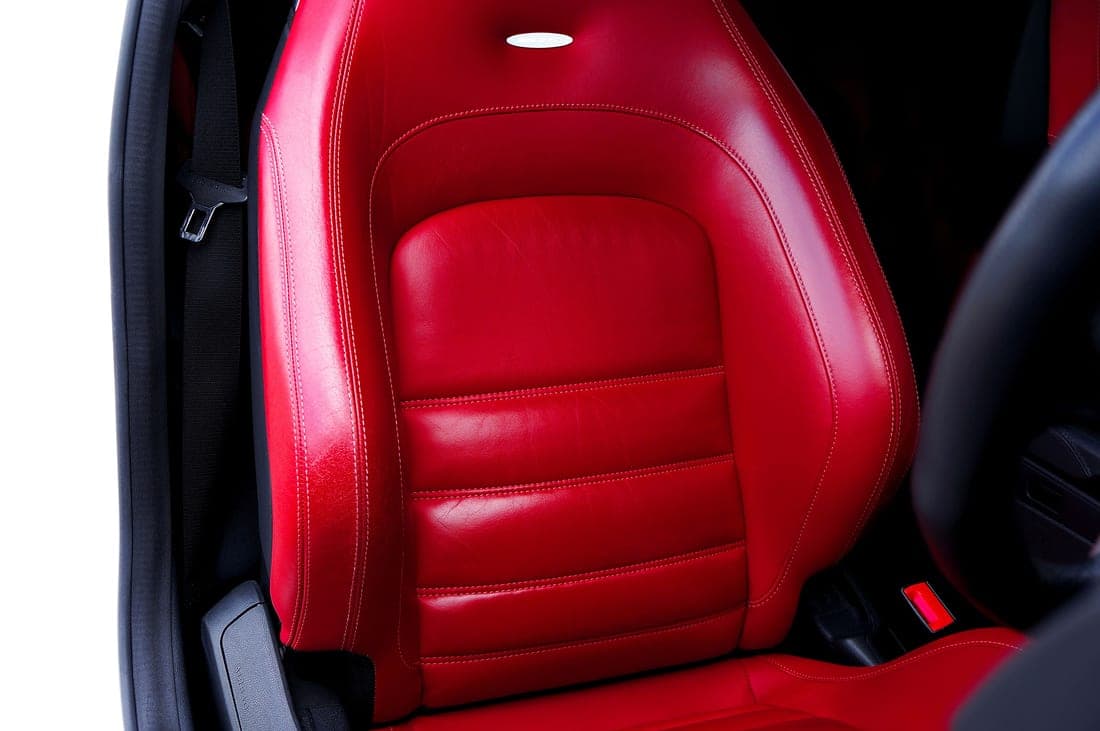
Vehicle seat upholstery beneath a child car seat

Buckle & Buggy earns a commission when you buy through links on this page, at no extra cost to you. It does not change what we recommend or the order we rank things in — the criteria are published on our review methodology page, and the full terms are in our affiliate disclosure.

Why the manual comes first

A seat protector is a mat that sits between the car seat and the vehicle seat. That position is not incidental — it is part of the friction and load path the car seat was certified with. Adding a layer there introduces a variable that was not present during testing, which is why the decision belongs to your car seat's manufacturer rather than to the protector's.

In practice manufacturers land in three places, and you need to know which one applies to your seat:

The three manufacturer positions on seat protectors
PositionWhat to do
Explicitly permits a thin protectorUse one, keep it thin rather than padded, and re-check your install is still tight afterwards.
Sells or specifies its ownUse theirs. It has been considered alongside the seat, which no third-party product has.
Prohibits protectorsDo not use one. An accessory that says universal is making a marketing claim, not a compatibility statement about your seat.

What decides a good one

  • Thin, not padded. Thickness is the problem: a thick or squashy protector can let the car seat settle and loosen, and it adds the most uncertainty to the load path. Thin and grippy beats plush.
  • No interference with the belt path or lower anchors. The protector must have openings or a shape that leaves the belt path, the anchors and the buckle stalks completely clear.
  • A non-slip surface on both faces, so it grips the vehicle upholstery and the car seat does not slide on it.
  • Coverage where it is actually needed — under the base and up the seat back for kick protection, since most of what you are protecting against is heels and dropped food.
  • Wipe-clean or machine washable, since the whole point is that things get spilled on it.
  • Nothing thick under the car seat's front edge, which is where a wedge-shaped protector can change the recline angle.

Our recommendation

01 — Protecting upholstery without compromising the install

Munchkin Brica Elite Seat Guardian

Munchkin
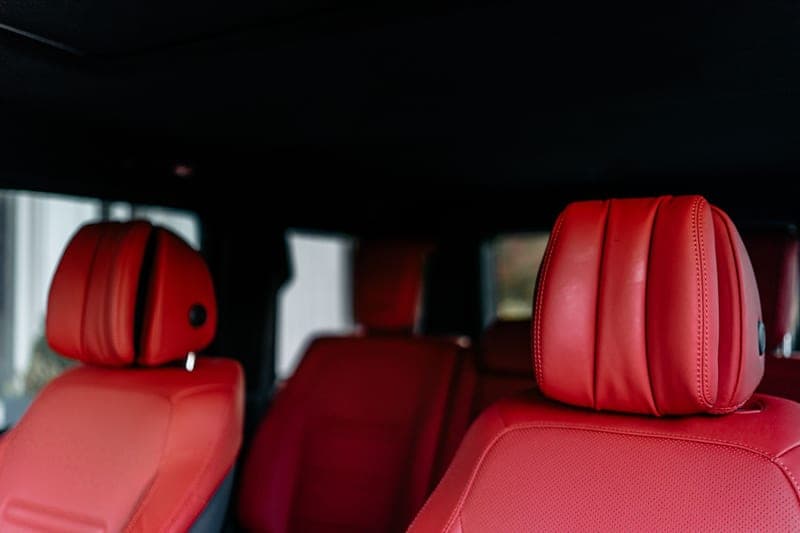
Vehicle seat upholstery — category photo, not this specific modelCategory photo
Our score8.5
Build8.8
Fitting8.2
Usefulness8.4
Value8.6
Check price on Amazon

#ad We may earn a commission · Amazon shows the current price

A crash-tested seat protector with grip traction — the only kind of protector worth putting under a car seat, and only if your manual allows one.

Seat protectors are the accessory most likely to cause harm, because a slippery mat under a car seat can let the base move in a crash. So the rule comes first: check your car seat's manual and your vehicle's manual. Some manufacturers prohibit protectors outright; several allow only a thin towel; some permit a protector they have tested. If yours allows one, this is the one to use — it is crash-tested with Dual Grip Traction rather than a plain plastic sheet, it is about 45 by 20 in, and the Grime Guard fabric catches the spills and crumbs that are the actual reason you want it. Install the car seat on top of it and then run the inch test again: no more than one inch of movement at the belt path. If it moves more with the protector than without, take the protector out.

What works

  • Crash-tested with grip traction rather than a slick plastic sheet
  • Large enough to catch the mess that actually happens
  • Works under car seats and boosters alike

What to weigh

  • Many car seat and vehicle manuals prohibit protectors — check first
  • Must re-check the inch test after fitting it
  • Bulkier than a thin towel, which some manuals specify instead
Published specifications for the Munchkin Brica Elite Seat Guardian, with the source each figure was read from
SpecPublished figureRead from
SizeAbout 45 x 20 inMunchkin product page
GripCrash-tested Dual Grip TractionMunchkin product page
FabricGrime Guard, spill and crumb catcherMunchkin product page
Span of useBirth to 8 yearsMunchkin product page

Verified as currently sold and checked against NHTSA's recall record on 2026-09-26; no recall named this model. Recalls apply to specific manufacture-date ranges, so check the date stamp on your own unit. Specifications come from the manufacturer or retailer listing.

What a protector is and is not for

Worth being clear, because this product is sometimes sold in language that implies a safety benefit. A seat protector protects the vehicle's upholstery. It does nothing for the child, and it cannot improve how the car seat performs.

That makes it a genuinely useful purchase in specific situations and an unnecessary one otherwise:

  • Worth it: a leased car where you will be charged for wear, a car you intend to resell, leather or light-colored upholstery, and any car where an older child in a booster kicks the seat back.
  • Probably not worth it: an older car you do not mind marking, or a seat position that will only be occupied for a few months.
  • Free alternative: a thin towel is not a substitute — it is precisely the kind of unapproved layer the rule is about. If your manual prohibits protectors, the honest answer is to clean the upholstery, not to improvise.

For the cleaning side of the same problem, including what you may and may not put on a car seat's own fabric and webbing, see how to clean a car seat.

Frequently asked questions

Are car seat protectors safe to use?

Only if your car seat manufacturer permits one. A protector sits between the car seat and the vehicle seat, which is part of the friction and load path the seat was certified with, so it is an untested variable. Some manufacturers explicitly allow a thin protector, some sell their own, and some prohibit them. Check the manual, choose thin over padded, and re-check that the install is still tight.

Will a seat protector make my car seat install loose?

It can, particularly a thick or squashy one — the car seat can settle into the padding and the belt can lose tension. That is the main reason to choose a thin protector rather than a plush one. Whichever you use, redo the installation afterwards and confirm less than one inch of movement at the belt path before driving.

Can I just use a towel under the car seat?

No — a towel is exactly the kind of unapproved layer the manufacturer rule is about, and it is usually thicker and more compressible than a purpose-made protector. The one exception in the other direction is that some car seat manuals permit a tightly rolled towel under the base edge to correct recline angle, which is a different job and only where the manual says so.

Do seat protectors protect the child?

No. A seat protector protects the vehicle's upholstery and does nothing for the child, and it cannot improve how the car seat performs. It is a worthwhile purchase for a leased car, a car you plan to resell, light-colored or leather upholstery, or where an older child kicks the seat back — and an unnecessary one otherwise.

What kind of seat protector should I buy?

A thin one with a non-slip surface on both faces, shaped or cut so that the belt path, the lower anchors and the buckle stalks stay completely clear, with coverage under the base and up the seat back for kick protection. Avoid anything thick or wedge-shaped, which can change the car seat's recline angle as well as its tightness.

Does my booster seat need a protector?

Less urgently than a harnessed seat, because a booster has a smaller footprint and is not installed under tension in the same way — but the same manufacturer-permission rule applies. In practice the bigger upholstery problem with booster-age children is feet on the seat back in front, which is what the vertical panel on a good protector is for.